How to Transition from In-House Fulfillment to a 3PL
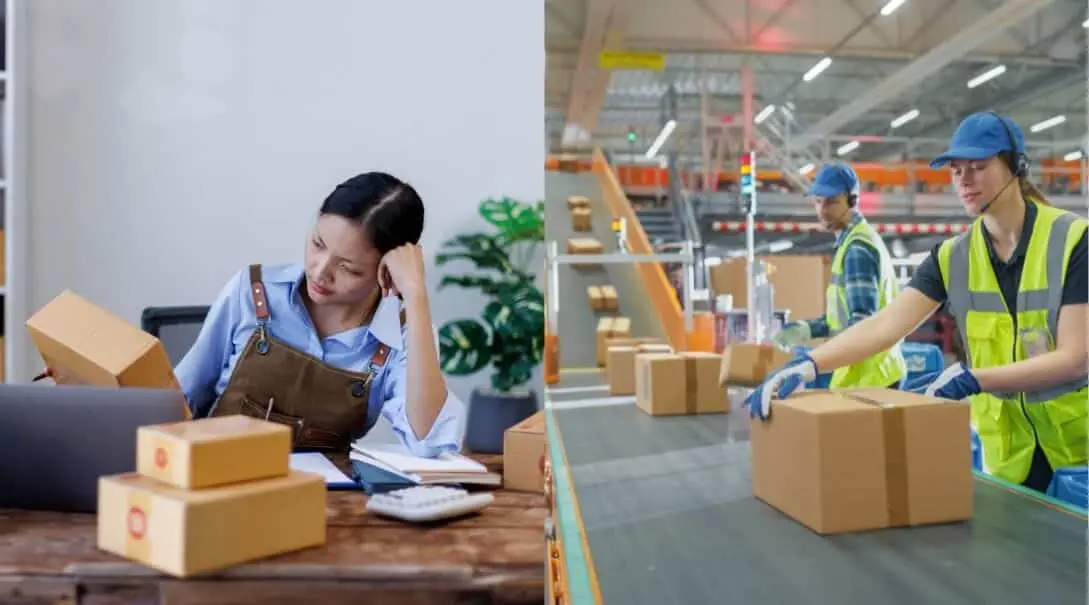
For growing ecommerce brands, in-house fulfillment often works well in the beginning. Packing orders yourself, managing inventory internally, and shipping orders from a single location can feel manageable when order volume is still relatively low. But as sales increase, operations become more complex. What once felt efficient can quickly become a bottleneck that slows growth, creates shipping delays, reduces inventory visibility, and pulls your team away from more valuable work.
That is often the point when businesses begin looking at a 3PL, or third-party logistics provider. Transitioning from in-house fulfillment to a 3PL is a major operational move, but when done correctly, it can improve shipping speed, support scalable fulfillment, reduce overhead, and create a better long-term system for order fulfillment services. The goal is not simply to move products into someone else’s warehouse. The goal is to build a fulfillment operation that can support growth without overwhelming your internal team.
Why Brands Move from In-House Fulfillment to a 3PL
Many businesses start out handling fulfillment internally because it gives them direct control over storage, packaging, and shipping. In the early stages, that can be a smart and practical approach. But fulfillment demands do not stay simple for long.
As order volume grows, brands often run into the same problems. Storage space becomes limited. Packing and shipping begin taking up too much staff time. Inventory becomes harder to track accurately. Customer expectations around fast delivery become more difficult to meet. Returns management adds more complexity. And internal teams spend too much time dealing with logistics instead of focusing on sales, customer service, marketing, and expansion.
That is where a fulfillment partner can make a real difference. A 3PL can step in to provide fulfillment services, warehousing, pick and pack fulfillment, order processing, shipping coordination, and returns support. Instead of building a larger in-house logistics operation from scratch, growing brands can rely on a fulfillment service provider that already has the systems, labor, and warehouse infrastructure in place. For businesses evaluating the basics, eWorld’s guide on what a fulfillment service is gives additional context, while Shopify’s overview of third-party logistics (3PL) helps explain why so many ecommerce brands outsource at scale.
Signs You Have Outgrown In-House Fulfillment
There is rarely one dramatic moment that tells you it is time to outsource fulfillment. More often, the warning signs build gradually until the process becomes too expensive, too slow, or too difficult to manage internally.
Your team is spending too much time shipping orders
If your staff is constantly printing labels, packing boxes, checking stock, fixing shipping mistakes, or answering fulfillment questions, your internal operation may be consuming too much time. As businesses grow, it becomes harder to balance customer service, marketing, inventory planning, and shipping under one roof.
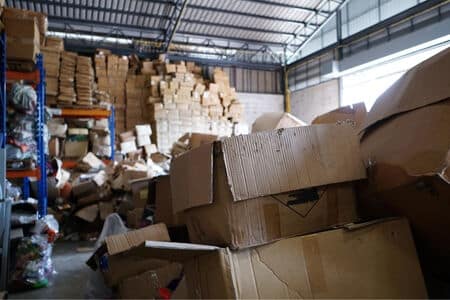
You are running out of storage space
When inventory starts spilling into office space, back rooms, or temporary storage, your current setup may no longer support your business. A fulfillment center or multi-location warehouse network can give you more room to scale without taking over your internal space.
Order errors are increasing
Late shipments, missing items, inaccurate stock counts, and pick mistakes are common signs that in-house fulfillment is under strain. When a business reaches that point, outsourcing to a fulfillment provider with established quality controls can improve accuracy and consistency.
Shipping costs are becoming harder to control
Many brands assume in-house fulfillment is always cheaper, but that is not always true. Inefficient packaging, limited carrier leverage, long shipping zones, and reactive shipping decisions can increase costs quickly. Distance and service area matter, which is why many brands begin paying closer attention to USPS zone charts and broader carrier logistics once they start scaling.
You need faster delivery across more regions
If you are trying to ship nationally from one location, long transit times and higher shipping costs can become a serious issue. A multi-site distribution strategy can help position inventory closer to your customers, which can improve speed and lower shipping costs. That is one reason many brands eventually explore a partnership with a multi-site distribution network instead of relying on one internal warehouse.
What a 3PL Actually Takes Off Your Plate
One of the biggest misconceptions about outsourcing fulfillment is that it only means moving inventory into another building. In reality, a good 3PL relationship covers much more than storage.
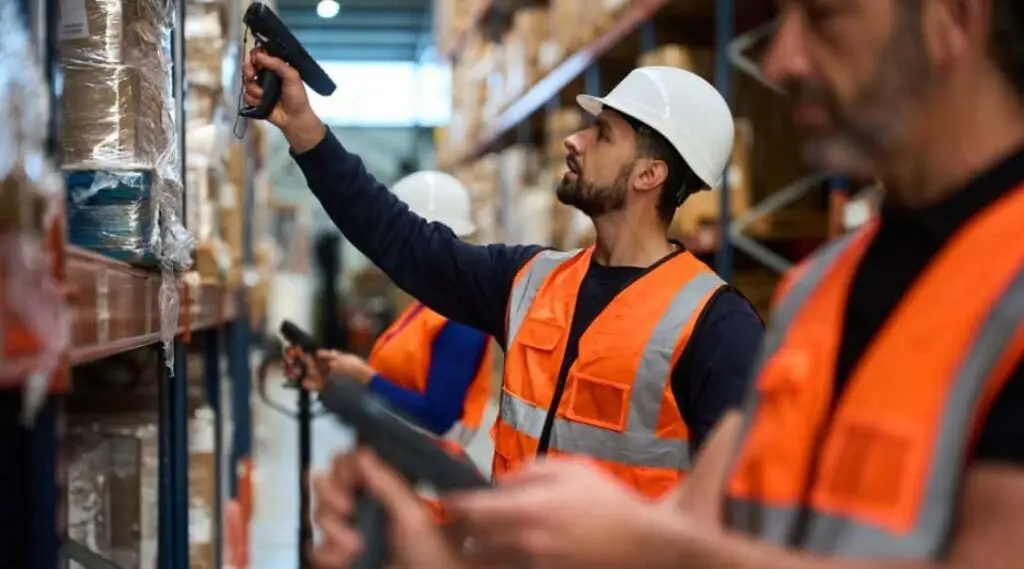
A fulfillment service provider can manage receiving, warehousing, inventory tracking, pick and pack services, order fulfillment services, shipping, returns, kitting, custom packaging, and system integrations. Depending on your business model, that support may also include retail compliance, B2B distribution, subscription box fulfillment, and ecommerce fulfillment services across multiple sales channels.
For brands that are growing quickly, this creates a major operational advantage. Instead of trying to build every process internally, you can work with a fulfillment partner that already has the people, technology, and warehouse systems to support efficient scaling. eWorld’s fulfillment services and pick and pack fulfillment resources give a clearer picture of how that support works in practice.
How to Prepare for the Transition
Moving from in-house fulfillment to a 3PL should be handled strategically. The smoother your preparation, the easier it is to build a stable and scalable fulfillment operation.
Audit your current fulfillment operation
Start by documenting how your current process works. Review monthly order volume, SKU count, storage needs, packaging requirements, return rates, shipping methods, seasonal spikes, and any handling requirements. You should also identify your biggest friction points, whether that is labor strain, limited inventory visibility, rising shipping costs, or slow order turnaround.
This will help you choose the right fulfillment provider and give them a clearer picture of what your operation needs.
Organize your SKU and inventory data
Clean inventory data is essential during a fulfillment transition. Make sure SKUs are standardized, product weights and dimensions are accurate, bundle configurations are documented, and on-hand counts are current. If your product data is incomplete or inconsistent, the transition becomes harder for both your team and your 3PL.
Brands that want stronger planning before they outsource can also review eWorld’s article on demand forecasting methods to improve inventory decision-making ahead of onboarding.
Review your systems and integrations
Your ecommerce platform, ERP, inventory tools, order management systems, and marketplace channels all affect fulfillment performance. Before transitioning, identify what systems need to connect with your 3PL and confirm what integrations are supported. Real-time syncing is critical for inventory visibility, accurate order routing, and smoother customer communication.
If your business runs on Shopify, this matters even more. eWorld’s Shopify partner page shows how order syncing and fulfillment automation can simplify the transition, while Shopify’s own fulfillment resources help frame what merchants should look for when outsourcing.
Clarify your packaging and branding needs
If your brand uses custom packaging, promotional inserts, kitting, subscription box assembly, or branded presentation standards, define those needs early. A strong 3PL can often support those requirements, but only if they are part of the onboarding plan from the start. For brands with more specialized packing workflows, eWorld’s subscription box fulfillment page shows how custom assembly can fit into a broader fulfillment strategy.
How to Choose the Right 3PL Partner
Not every 3PL is built the same, and choosing the wrong one can create as many issues as keeping fulfillment in-house for too long.
A good fit depends on more than warehouse square footage. You need a fulfillment partner that aligns with your product type, order volume, customer expectations, shipping footprint, and growth plans. That includes evaluating their technology stack, fulfillment center network, reporting capabilities, service levels, communication style, returns process, and experience with ecommerce fulfillment services.
For growing brands, system visibility matters just as much as physical logistics. You should be able to track orders, monitor inventory in real time, and understand how your fulfillment center services are performing without chasing updates manually.
Location also plays a major role. A multi-site warehouse network can reduce transit time and improve cost efficiency by placing inventory closer to customers. This becomes even more important for businesses shipping nationally and trying to reduce zone-based shipping costs without opening their own facilities. eWorld’s warehouse network and Florida fulfillment center pages can help illustrate how strategic inventory positioning supports faster order fulfillment.
Common Mistakes to Avoid During the Switch
Even when outsourcing is the right move, the transition can create avoidable problems if it is rushed or poorly planned.
Waiting too long to start
Many companies delay the move until peak season is approaching, inventory is already backed up, or internal teams are overwhelmed. That creates unnecessary pressure and makes onboarding harder than it needs to be.
Treating the transition like a simple warehouse transfer
This is not just about moving pallets from one location to another. It involves integrations, SOPs, inventory logic, returns workflows, packaging requirements, shipping decisions, and communication standards. A detailed transition plan leads to a smoother launch.
Choosing based on price alone
Cost matters, but the cheapest fulfillment service provider is not always the right fit. A low-cost partner that creates shipping mistakes, poor communication, or inventory problems can become much more expensive over time. Businesses that underestimate that impact should also review eWorld’s article on the hidden costs of poor fulfillment.
Failing to plan for inventory allocation
If inventory is moving into one or more fulfillment centers, you need a plan for timing, replenishment, and stock distribution. Running out of stock during the handoff can harm customer experience and create unnecessary revenue loss.
What a Good Transition Timeline Looks Like
Every business is different, but the strongest transitions usually follow a structured process. First comes operational discovery. Then, data cleanup, integration planning, SOP development, and warehouse intake preparation. After that, inventory is received, systems are tested, and orders begin flowing through the new fulfillment process. Finally, performance is monitored closely during the launch window so problems can be corrected quickly.
The goal is not simply to outsource shipping. The goal is to create a stable order fulfillment system that is accurate, repeatable, and ready to scale.
That means your 3PL should not only receive products and ship orders, but also help define how your workflows will operate day to day. Clear expectations, reliable communication, and early testing make a major difference.
The Business Impact of Moving to a 3PL
When the transition is handled well, the benefits extend far beyond basic warehouse relief.
Brands often gain faster shipping, improved order accuracy, better inventory visibility, more flexible storage, and stronger support during seasonal spikes. They also free up internal resources that can be redirected toward marketing, customer experience, and revenue growth.
For companies trying to scale without building a large internal logistics department, a 3PL provides a more efficient path forward. Instead of expanding labor, storage, and shipping overhead every time volume rises, businesses can rely on scalable fulfillment services designed to grow with them.
That flexibility becomes even more valuable for businesses managing ecommerce, wholesale, retail, and marketplace channels at the same time. Fulfillment is no longer just an operational back-end task. It affects shipping speed, customer satisfaction, margin control, and your ability to compete. For brands with broader expansion goals, eWorld’s international fulfillment services page can also help show how a 3PL relationship may support future growth beyond domestic shipping.
Is It Time to Move from In-House Fulfillment to a 3PL?
If your team is spending too much time shipping, your warehouse space is maxed out, your shipping costs are climbing, or your fulfillment process feels harder to manage every month, the answer may be yes.
The best time to transition is before fulfillment problems begin slowing down your growth. A thoughtful move to the right fulfillment partner can improve order accuracy, strengthen inventory visibility, reduce operational strain, and create a better customer experience.
For many brands, the question is no longer whether outsourcing fulfillment makes sense. It is whether the current in-house process can keep up with where the business is headed next.
Build a Smarter Fulfillment Operation with eWorld
Transitioning from in-house fulfillment to a 3PL should feel like a strategic upgrade, not a disruption. With the right fulfillment partner, you can improve shipping performance, gain better inventory visibility, reduce operational stress, and create a stronger foundation for long-term growth.
eWorld supports brands that need scalable fulfillment services, flexible warehousing, real-time inventory tracking, fast and accurate order processing, and a nationwide distribution advantage through strategically located fulfillment centers. You can learn more on the eWorld homepage, explore its fulfillment services, or review its location network. If your business is ready to move beyond the limits of in-house fulfillment, now is the time to build a more efficient fulfillment operation that can grow with you.
If your team is outgrowing in-house fulfillment, eWorld can help you transition to a faster, more scalable 3PL solution. Contact us today to talk through your fulfillment needs and next steps.
FAQ
A business should consider moving from in-house fulfillment to a 3PL when order volume becomes difficult to manage internally, shipping costs begin rising, storage space becomes limited, or fulfillment mistakes start affecting customer experience. Many growing ecommerce brands reach a point where internal logistics takes too much time away from sales, marketing, and customer service. A 3PL can help create a more scalable fulfillment operation with better inventory visibility and more efficient shipping support.
Switching from in-house fulfillment to a 3PL can improve shipping speed, reduce warehouse strain, increase order accuracy, and give businesses access to more scalable fulfillment services. It can also help brands lower operational overhead, improve returns handling, and position inventory more strategically across multiple regions. For companies trying to grow without building a larger internal logistics team, outsourcing fulfillment often creates more flexibility and efficiency.
The timeline for transitioning from in-house fulfillment to a 3PL depends on your SKU count, order volume, systems, integrations, packaging requirements, and inventory complexity. For some businesses, the process can move quickly, while others may need a more detailed onboarding timeline that includes data cleanup, SOP development, warehouse intake, testing, and launch monitoring. The most successful transitions usually happen when the move is planned before the internal fulfillment process becomes overwhelmed.
When choosing a 3PL partner, businesses should look for strong technology integrations, reliable inventory tracking, accurate pick and pack fulfillment, responsive communication, and warehouse locations that support faster delivery. It is also important to evaluate experience with your product type, returns handling, custom packaging needs, and the ability to scale as order volume grows. The right fulfillment partner should support both current operations and long-term business growth.
Outsourcing fulfillment can be more cost-effective than keeping it in-house when internal storage, labor, shipping inefficiencies, and operational strain begin adding up. While the cost structure is different, a 3PL can often help reduce hidden expenses tied to staffing, warehouse expansion, shipping zones, and order errors. The true comparison is not just fulfillment cost per order, but also how efficiently the business can scale while maintaining customer satisfaction.
To provide the best experiences, we use technologies like cookies to store and/or access device information. Consenting to these technologies will allow us to process data such as browsing behavior or unique IDs on this site. Not consenting or withdrawing consent, may adversely affect certain features and functions.
Functional
Always active
The technical storage or access is strictly necessary for the legitimate purpose of enabling the use of a specific service explicitly requested by the subscriber or user, or for the sole purpose of carrying out the transmission of a communication over an electronic communications network.
Preferences
The technical storage or access is necessary for the legitimate purpose of storing preferences that are not requested by the subscriber or user.
Statistics
The technical storage or access that is used exclusively for statistical purposes.The technical storage or access that is used exclusively for anonymous statistical purposes. Without a subpoena, voluntary compliance on the part of your Internet Service Provider, or additional records from a third party, information stored or retrieved for this purpose alone cannot usually be used to identify you.
Marketing
The technical storage or access is required to create user profiles to send advertising, or to track the user on a website or across several websites for similar marketing purposes.