
Faster Fulfillment with Automation: AI Tools Changing 3PL Logistics
Fast fulfillment is no longer a bonus. For many brands, it is part of the customer experience, the retention strategy, and the margin conversation all at once.
As order volume grows, manual processes tend to create friction in places that are easy to overlook. A few extra minutes spent routing orders, checking stock levels, correcting pick errors, or choosing the right carrier can quickly add up across hundreds or thousands of shipments. That is one reason more companies are looking closely at how automation and AI-supported workflows are changing modern 3PL logistics.
The goal is not to remove people from the process. It is to make fulfillment faster, more accurate, and easier to scale. When the right systems are in place, brands can move orders more efficiently, reduce avoidable mistakes, and create a smoother experience from checkout to delivery.
Why Faster Fulfillment Matters More Than Ever
Customers expect speed, but speed alone is not enough. They also expect tracking visibility, accurate orders, and reliable delivery windows. If a fulfillment process breaks down, the customer usually does not blame the warehouse system. They blame the brand.
That is why fulfillment speed has become closely tied to operational quality. A business may be spending heavily to drive traffic and conversions, but if the backend process is slow or inconsistent, the customer experience suffers after the sale. Strong fulfillment services help close that gap by supporting faster shipping, tighter accuracy, and more dependable inventory handling.
For growing ecommerce brands, retail suppliers, and subscription-based businesses, faster fulfillment can also improve profitability. When operations run more cleanly, teams spend less time fixing preventable issues and more time moving orders out the door.
Where Manual 3PL Workflows Usually Slow Things Down
Even experienced operations teams run into bottlenecks when too much of the workflow depends on manual decision-making.
Order Routing Delays
If orders are reviewed or assigned manually, even small pauses can create a backlog. This becomes more noticeable during promotions, product launches, and seasonal surges. A delayed routing decision can slow picking, packing, carrier selection, and final shipment processing.
Inventory Visibility Gaps
When inventory data is not updated in real time, fulfillment teams may have to stop and verify counts before moving forward. That introduces delays and increases the risk of overselling, backorders, or split shipments. Better visibility supports faster execution.
Picking and Packing Errors
Manual fulfillment processes often break down during the pick-and-pack stage. Teams may grab the wrong SKU, miss a bundle component, or apply the wrong packaging method. These issues can increase returns, reshipments, and support tickets. Brands that rely on pick and pack fulfillment need a process that supports both speed and accuracy.
Shipping and Documentation Friction
Choosing the wrong carrier, service level, or documentation workflow can create avoidable delays. This is especially true for brands with retail compliance needs, custom packaging requirements, or more complex distribution workflows.
How AI Tools Are Changing 3PL Logistics
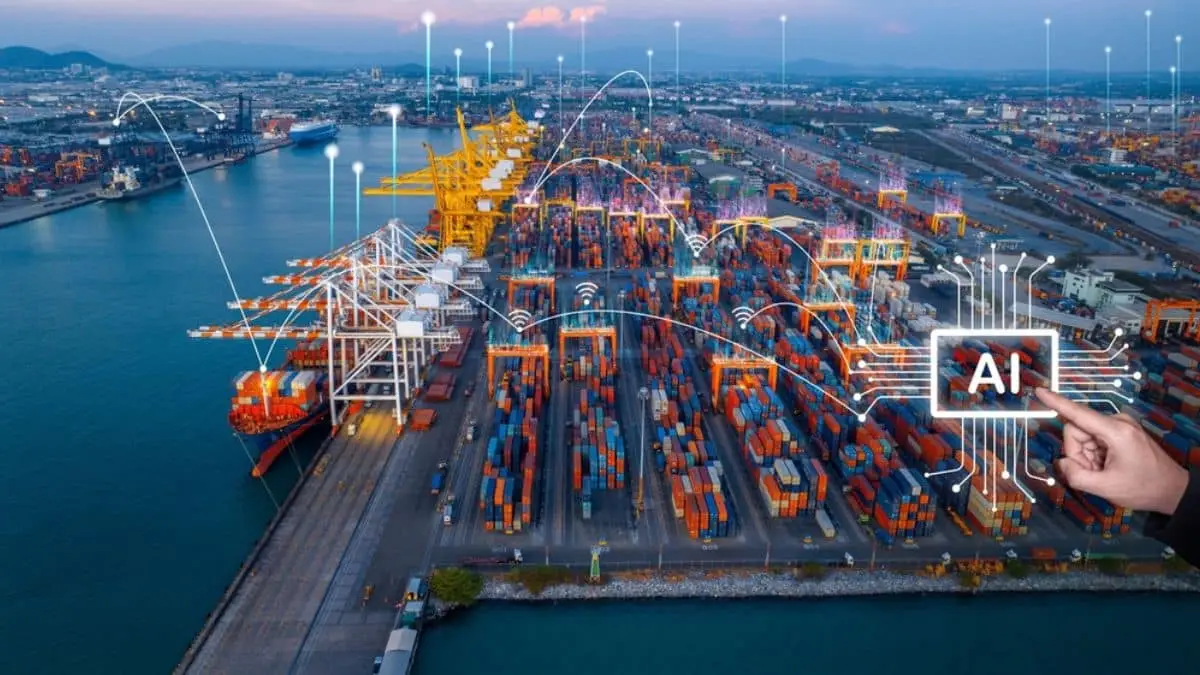
AI in logistics is often misunderstood. In practice, it usually does not mean a warehouse is being run by robots alone. More often, it means the operation is using smarter software, better automation rules, and stronger data visibility to make better decisions faster. Current industry materials from SAP, Oracle, McKinsey, and DHL consistently emphasize real-time visibility, workflow optimization, predictive decision-making, and digital coordination as core themes in modern logistics automation.

Smarter Demand Planning
AI-supported systems can help businesses identify patterns in order volume, seasonality, and SKU movement. That makes it easier to prepare labor, storage, and replenishment decisions before demand spikes create pressure.
For fast-moving brands, that kind of planning can improve the overall order fulfillment process by reducing last-minute scrambling and helping teams stay ahead of incoming demand.
Better Order Routing
Automation can help determine where an order should be fulfilled, how it should be prioritized, and which workflow should be used based on shipping rules, customer location, inventory position, or service requirements.
That matters even more when a provider operates across multiple facilities. A distributed network, like multi-site distribution, can create stronger fulfillment speed when the right logic is used to decide where inventory should sit and where each order should ship from.
Faster Picking and More Accurate Packing
AI-supported tools can improve picking efficiency by helping teams follow better routes, reduce repetitive errors, and flag exceptions faster. Automation can also help standardize packing workflows so orders are prepared more consistently.
For companies handling bundles, kits, and promotional inserts, this becomes especially valuable. Processes tied to kitting and fulfillment often require more precision than standard one-item shipments, so reducing manual touchpoints can make a meaningful difference.
More Efficient Shipping Decision
Automation can help compare shipping options, assign carrier methods, and trigger workflows based on speed, cost, destination, and order type. That can reduce delays at the label-generation stage and improve consistency across outbound operations.
For brands shipping across regions or borders, this can also support more organized workflows related to international fulfillment.
Stronger Exception Management
Fulfillment teams do not just need to process normal orders. They also need to identify the orders that are about to become problems. AI-assisted systems can help surface issues like missing inventory, address conflicts, late scans, or unusual order behavior earlier, which gives operations teams more time to respond before the customer feels the impact.
McKinsey has also described AI-enabled supply chain and distribution use cases around added warehouse capacity, digital twins, and more responsive orchestration, while SAP highlights AI-assisted analytics, warehouse transparency, and predictive maintenance across connected operations.
What Automation Looks Like in a Real Fulfillment Environment
Automation in a 3PL setting is usually not one single tool. It is a combination of systems and workflows working together.
A modern fulfillment operation may use:
- Barcode-driven receiving and put-away workflows
- Real-time inventory syncing
- Automated order release rules
- Carrier-rate logic
- Scan verification during pick and pack
- Alerts for exceptions or inventory issues
- Reporting dashboards that help operations teams spot bottlenecks faster
That matters because not every brand has the same fulfillment profile. A business shipping DTC orders may need one workflow, while a retail supplier may need a different one built around routing guides, compliance, labeling, and larger outbound requirements. That is where specialized solutions like retail fulfillment services can play a different role than a standard parcel workflow.
The same is true for recurring shipments. Brands that depend on curated monthly deliveries often need predictable timelines, custom inserts, and accurate assembly steps. In those situations, a more structured automation setup can support subscription box fulfillment without creating unnecessary manual strain.
The Biggest Benefits of Fulfillment Automation
When businesses think about automation, they often focus first on labor savings. That can be part of the picture, but it is usually not the most important outcome.
The bigger benefits often include:
Faster Order Turnaround
Orders move through the system with fewer pauses, handoffs, and manual reviews.
Better Accuracy
Automated checks and scan-based workflows can reduce mis-picks, missing items, and preventable shipping mistakes.
Easier Scalability
As order volume increases, a better system can absorb growth more effectively than a process built around spreadsheets, email chains, and reactive decision-making.
Stronger Visibility
Teams can see what is happening across receiving, storage, fulfillment, and shipping with fewer blind spots.
More Consistent Customer Experience
When the backend operation becomes more reliable, customers are more likely to receive accurate orders on time with fewer service issues.
Questions Brands Should Ask a 3PL About Automation
Not all fulfillment partners use automation the same way, and not all of them apply it where it matters most. If you are evaluating a provider, it helps to ask practical questions such as:
- How is inventory tracked and updated across the operation?
- What systems help reduce picking and packing errors?
- How are shipping decisions made?
- Can workflows adapt for bundles, kits, retail requirements, or custom packaging?
- How does the provider handle demand spikes and exceptions?
- What kind of reporting and visibility will the brand receive?
The right partner should be able to explain how their systems support speed, accuracy, and service without making the process feel vague or overly technical.
Automation Works Best When It Supports the Right Fulfillment Strategy
Technology alone does not fix a weak operation. It works best when the fulfillment strategy itself is aligned with the brand’s needs.
That includes the warehouse setup, inventory placement, packaging requirements, shipping expectations, and customer profile. A growing ecommerce business may benefit from stronger regional positioning through a solution like a Florida fulfillment center, while other brands may need broader network support, specialized prep work, or custom routing logic.
The strongest results usually come from combining the right systems with the right operating model.
Faster Fulfillment Starts With Smarter Systems

AI tools are changing 3PL logistics because they help fulfillment providers make better decisions faster. They can improve visibility, reduce avoidable delays, support stronger order accuracy, and give brands a more scalable path forward as volume grows.
For businesses trying to improve shipping speed without sacrificing quality, automation is no longer something to watch from a distance. It is becoming part of what separates reactive fulfillment from a more dependable operation.
If your brand is looking for a partner that can support faster, more efficient fulfillment, explore eWorld’s fulfillment solutions, or request a quote to start the conversation.
FAQs
Related Posts

DTC Fulfillment: How Direct-to-Consumer Brands Can Scale Without Slowing Delivery
Inventory Turnover Formula: What It Means for Fulfillment and Cash Flow
How to Choose the Right Retail Fulfillment Services Partner
Continue Reading
- How to Handle a Delivery Exception in eCommerce
- DTC Fulfillment: How Direct-to-Consumer Brands Can Scale Without Slowing Delivery
- Inventory Turnover Formula: What It Means for Fulfillment and Cash Flow
- How to Choose the Right Retail Fulfillment Services Partner
- The Real Cost of In-House Fulfillment vs. Outsourcing to a 3PL: Which Saves Your Business More?
Categories
- B2B/Retail (4)
- Case Study (2)
- Direct Response (9)
- eCommerce (16)
- FBA (6)
- Fulfillment (37)
- International (2)
- News (1)
- Shipping (24)
- Subscription Box (6)